
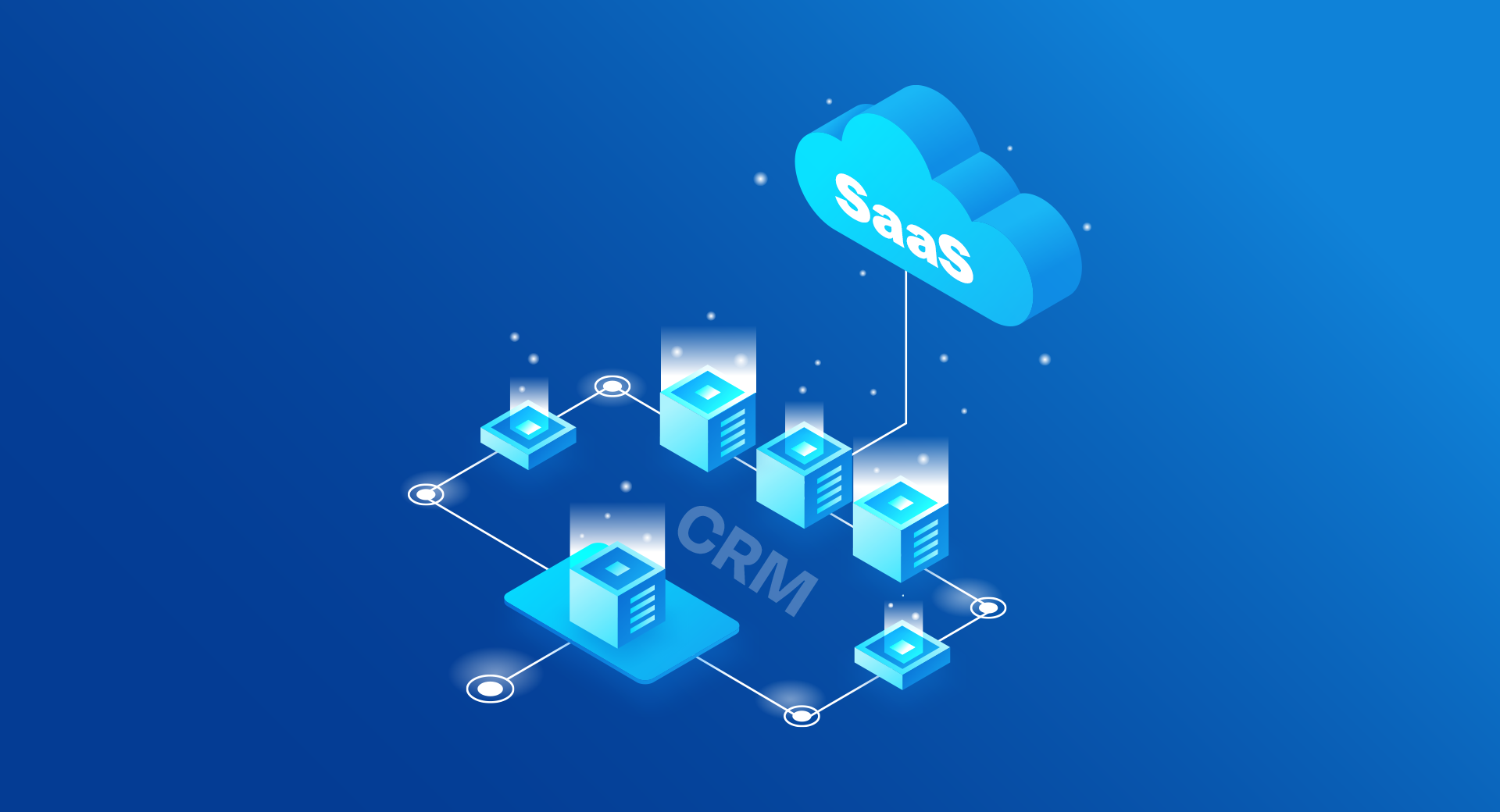
In today’s digital landscape, customer relationship management (CRM) is pivotal for SaaS companies aiming for growth. As markets become increasingly competitive, a robust CRM solution is no longer optional but essential. SaaS CRM platforms have revolutionized the way businesses manage customer interactions, streamline operations, and fuel growth.
Understanding SaaS CRM: A Game-Changer for Businesses
Software as a Service has transformed business operations, particularly in CRM. Traditional CRM systems demanded significant upfront investments and complex IT setups. In contrast, SaaS CRM solutions are cloud-based, offering accessibility and scalability without the need for on-premises infrastructure.
This shift has democratized CRM tools, making advanced features accessible to businesses of all sizes. With it, companies can leverage powerful CRM capabilities without the burden of managing intricate software and hardware.
Key Advantages of SaaS CRM for Businesses
1. Enhanced Accessibility and Flexibility
One of the most significant advantages of SaaS CRM is its accessibility. Being a cloud-based solution, it can be accessed from any location with an internet connection. This is particularly beneficial for businesses with remote teams or those on the move. Many SaaS platforms also offer mobile apps, enabling sales reps to manage customer data, track interactions, and close deals from anywhere. Whether in a meeting, at a conference, or working from home, SaaS CRM ensures that critical customer information is always within reach.
Check out an article on 11 SaaS Success Stories Worldwide with Real-World Examples.
2. Improved Integration Capabilities
Modern businesses rely on a variety of tools for their operations. SaaS CRM platforms excel at integrating with other business applications, facilitating seamless information flow across departments. For instance, integrating SaaS CRM with marketing automation tools provides a comprehensive view of customer interactions, enabling more targeted and personalized campaigns. This integration enhances workflow efficiency and data accuracy, leading to a consistent and personalized customer experience.
3. Cost-Effectiveness and Scalability
The solutions are typically offered on a subscription basis, eliminating the need for hefty upfront investments in software licenses and IT infrastructure. This model is particularly appealing to small and medium-sized businesses (SMBs) with limited budgets. Moreover, it can scale with your business. As your company grows, you can easily adjust your subscription to accommodate additional users, storage, and features, ensuring that your CRM solution evolves with your business needs.
4. Real-Time Data and Analytics
In a data-driven world, real-time access to actionable insights is crucial. SaaS CRM platforms excel in providing real-time data and analytics, offering businesses a clear view of customer interactions, sales pipelines, and marketing campaign performance.With features like dashboards, reporting tools, and customizable reports, companies can gain insights that drive better sales strategies, enhanced customer engagement, and increased revenue. Real-time data enables businesses to be proactive, identifying trends and opportunities before they become challenges.
5. Personalized Customer Experiences
Delivering personalized customer experiences is essential in today’s competitive market. SaaS CRM solutions equip businesses with the tools and insights needed to build stronger customer relationships through tailored interactions.By tracking customer interactions, preferences, and purchase history, businesses can personalize communications, offers, and support, fostering customer loyalty and advocacy.
Here’s an article on Essential Cloud Migration Strategies for Success.
6. Advanced Security Features
Protecting customer data is paramount. SaaS CRM providers invest heavily in advanced security features to ensure data safety and compliance with industry standards.Robust security measures, including encryption, access controls, regular backups, and disaster recovery plans, give businesses peace of mind that their customer data is secure.
7. Automated Workflow and Efficiency
SaaS CRM platforms streamline and automate routine tasks, freeing up valuable time for sales, marketing, and customer support teams. Automated workflows, task management, and lead scoring enable teams to work smarter and focus on high-impact activities.Automation reduces the risk of missed opportunities, accelerates response times, and enhances overall productivity.
Choosing the Right Solution
Selecting the right SaaS CRM is crucial for maximizing its benefits. Consider factors such as ease of use, scalability, cost, and integration capabilities with other business tools.
- Customization and User-Friendly Interface: Opt for a SaaS CRM solution that offers customization and a user-friendly interface. A simple, intuitive design with customizable dashboards, fields, and workflows ensures that the CRM adapts to your unique business needs.
- Mobile Accessibility for On-the-Go Management: Mobile accessibility is vital in today’s mobile-first world. Choose a CRM solution with robust mobile access, enabling sales reps to manage customer information and tasks on the go.
- AI and Machine Learning for Predictive Analytics: Look for CRM solutions that incorporate AI and machine learning for predictive analytics. These technologies can help identify customer trends, automate tasks, and enhance decision-making.
- Integration with Other Business Tools: Ensure that your SaaS CRM integrates seamlessly with other business tools like marketing automation platforms, customer support software, and accounting systems. This integration streamlines operations and provides a holistic view of customer data.
An article about Future of Finance and Technology: 10 Innovations of Fintech might be of interest to you.
Who Benefits Most from SaaS CRM?
SaaS CRM offers significant advantages to businesses of all sizes, particularly SMBs and large enterprises seeking agility, as well as industries with high customer interaction.
- Small to Medium-Sized Businesses (SMBs): SMBs can leverage SaaS CRM to enhance customer data management, streamline sales processes, and deliver personalized customer experiences, all while maintaining cost-efficiency.
- Large Enterprises Seeking Agility: Large companies benefit from the scalability and flexibility of SaaS CRM, allowing them to respond swiftly to market changes and customer demands.
- Industries with High Customer Interaction: Industries like e-commerce, finance, healthcare, and hospitality thrive on customer interaction. It enables these industries to manage large volumes of customer interactions efficiently, leading to improved satisfaction and loyalty.
Why Your Business Needs a Mobile App Now? Check it out.
Overcoming Challenges in Implementing SaaS CRM
Successfully implementing SaaS CRM requires careful planning and execution, particularly in data migration, team adoption, and system integration.
- Navigating Data Migration: Ensure data accuracy and integrity during migration by collaborating with IT teams and considering the use of data migration tools.
- Ensuring Team Adoption and Training: Provide comprehensive training and ongoing support to ensure team adoption and maximize the benefits of your investment.
- Integrating with Existing Systems: Plan your integration strategy early and work with your CRM provider to ensure seamless connectivity with existing systems.
Conclusion
In conclusion, the rise of CRM through SaaS has changed how we manage customer relationships. With better access, instant data analysis, and tailored experiences, businesses can improve their operations and increase efficiency. It is important to choose a SaaS CRM solution that allows for customization, works on mobile devices, and has advanced features like AI integration. No matter if you run a small business or a large company, using SaaS CRM can help you grow and succeed. It is also vital to address challenges like moving data and getting your team on board for a smooth change.
However, to fully harness these benefits, it’s crucial to choose a CRM solution that aligns with your business needs, supports mobile accessibility, and offers advanced features like AI integration. Don’t let challenges like data migration or team adoption hold you back—these can be effectively managed with proper planning and support.
If you’re ready to simplify your day-to-day operations, connect more deeply with your customers, and see real growth, let’s chat about how a tailored SaaS CRM solution can make a difference. Reach out to us today, and together we’ll find the CRM strategy that’s just right for your business.


[…] or ongoing support, having clear goals will guide the hiring process. It also helps to identify the staff augmentation model that aligns with your […]
[…] in the IT industry, staff augmentation helps businesses adapt quickly to meet project needs based on roles like software development, […]
[…] project management is crucial in staff augmentation for agile environments. Tools like Jira, Trello, or Asana enhance collaboration and streamline workflows for efficient […]
[…] Dynamics: Consider how the candidate will integrate with existing team members and contribute to team […]
[…] and direct messaging, and integrates with various other tools. Such collaboration are essential to manage augmented staff. Slack’s intuitive interface and extensive integrations make it a central hub for remote […]
Comments are closed.