

As a business owner, choosing the right developer for your business can be daunting. With so many options out there, it’s hard to know where to start. In this post, we’ll guide you through the process of finding the perfect developer for your business needs. We’ll cover everything from identifying the type of developer you need and understanding their skill set to structuring effective interview questions and evaluating references. We’ll also discuss the importance of starting small and avoiding rushing the hiring process. Furthermore, by following these steps, you’ll be on your way to finding a skilled developer who can help take your business to new heights.
What does a developer do?
A developer is a professional who designs, creates, and maintains software applications or websites. They are responsible for writing code, testing, and debugging programs. Additionally, collaborate with other team members to ensure the successful development and implementation of projects.
Determining the Type of Developer You Need
Understanding and assessing your project’s technical needs is crucial for selecting the right developer. Identifying the expertise and technologies required is also essential for an optimal fit.
Importance of Identifying Your Business Requirements
Understanding your business needs helps find a developer with the right skill set, and facilitates better collaboration.
Understanding Different Types of Developers
Familiarizing with varied developers like front-end, back-end, full-stack, and mobile apps. Recognize different roles and platforms for informed decisions.
The Interview Process
Assess technical skills, problem-solving, expertise, project management, and communication during the interview process. In addition, evaluate the developer’s fit.
Essential Qualities to Look for in a Developer
When evaluating developers, prioritize problem-solving skills, creativity, effective communication, precision, and industry knowledge. Moreover, emphasizes adaptability and high-quality work.
Structuring Effective Interview Questions
Crafting interview questions to assess technical proficiency, creativity, and critical thinking is essential in developer evaluations. Structuring questions to unveil problem-solving processes and coding styles helps in making informed hiring decisions.
Doing Your Research
Researching potential candidates empowers confident hiring decisions, and verifying credentials, expertise, reputation, and client testimonials.
Importance of Checking the Developer’s Portfolio
When considering a developer, reviewing their portfolio gives insight into their skills, creativity, and problem-solving abilities. Assessing their past work is crucial.
Reading Client Reviews and Feedback
When making hiring decisions, reading client testimonials provides insights into a developer’s reliability, communication, and delivery. Considering client feedback helps assess developers’ abilities to exceed expectations.
Importance of Patience in the Hiring Process
Exercising patience in hiring ensures a thorough evaluation for the right developer alignment with business needs.
Avoiding Rushing the Hiring Process
When hiring a developer, taking time ensures finding the right fit and yields better results. Rushing can lead to unsuitable hires.
Understanding the Benefits of a Well-thought-out Decision
Well-considered decisions lead to enduring outcomes, successful partnerships, and better business results, minimizing future issues.
Asking for References
Seeking insights into a developer’s work style aids in making well-informed choices, and offering valuable perspectives. Reference inquiries offer a glimpse into capabilities, aiding informed decisions.
How to Effectively Ask for References
When requesting references, specify the required information and focus on relevance, work ethic, and recentness. Gain insights into past contributions and comprehensive skill sets.
Evaluating a Developer Based on References
When considering a developer, assessing competence through references plays a crucial role in evaluating suitability and potential.
Starting Small
Commencing with smaller tasks enables risk-free assessment of a developer’s capabilities, fostering a mutually beneficial partnership.
Benefits of Starting with Small Projects
Commencing with smaller projects enables gradual trust-building and aids in understanding a developer’s strengths. Starting small allows for a gradual scaling of responsibilities.
Does a Trial Period Help in Evaluating a Developer?
Trial periods are a valuable tool for evaluating a developer’s skills and compatibility. They provide firsthand experience and ensure a good fit. Additionally, trial periods allow for assessing adaptability and determining suitability.
Conclusion
Choosing the right developer is crucial for project success. Identify your requirements, understand developer types, and ask structured questions during interviews. Research portfolios and client reviews for insights into reputation and previous work. Take your time to make a well-thought-out decision. Asking for references and starting with smaller projects can help evaluate performance. Get in touch with us today to find the right developer for your business.

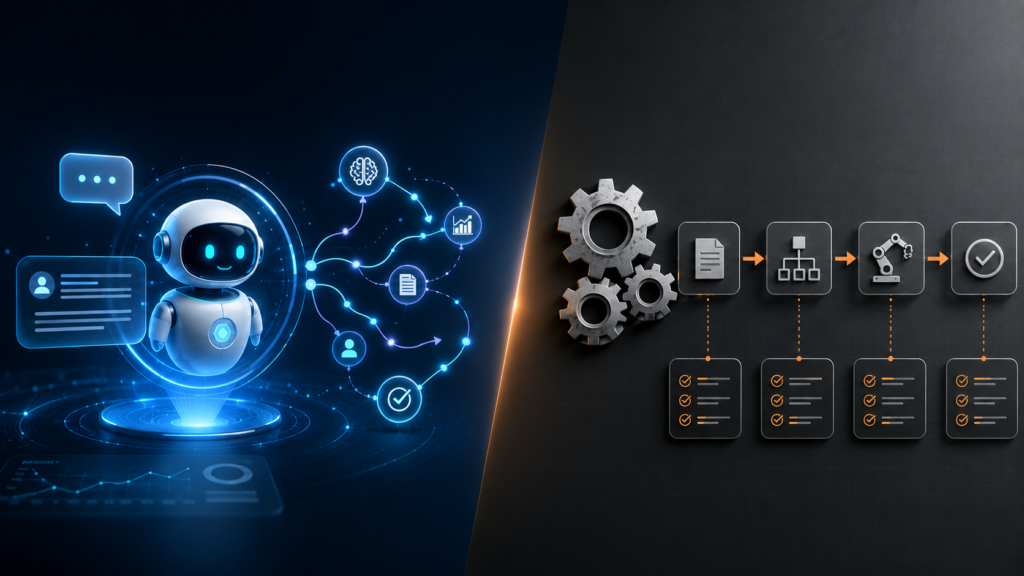
[…] particularly in remote areas, through virtual consultations and remote monitoring. The use of Artificial Intelligence (AI) in diagnostics has led to faster and more accurate diagnoses by analyzing medical images and data. Wearable […]
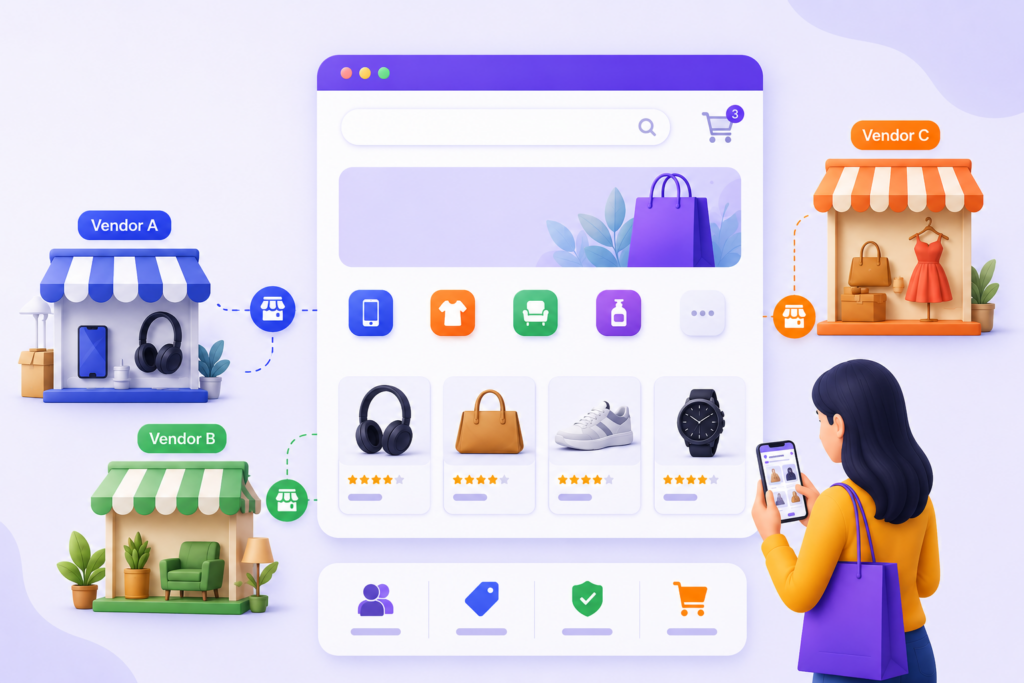
[…] with tech partners can help overcome technological challenges, while continuous learning and upskilling are crucial for success in the dynamic fintech […]
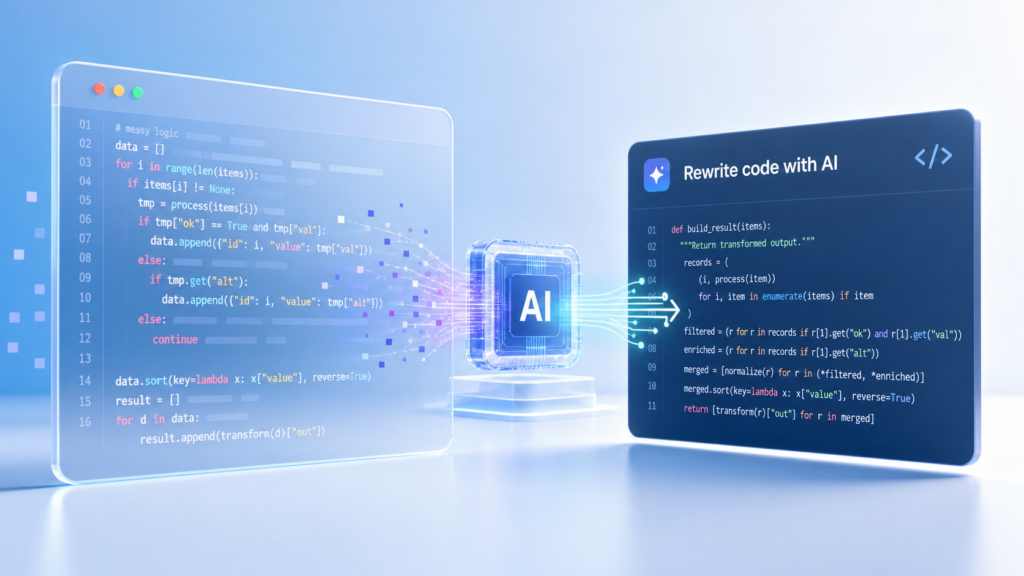
[…] AI and custom software have changed operations in the healthcare industry, offering efficient experiences. By leveraging vast data, personalized treatment plans can enhance patient care. Automation and predictive analytics optimize operational efficiency, while real-time data analysis through AI-powered software leads to better patient outcomes. Custom software applications streamline routine tasks and improve customer service. The future of healthcare is being transformed by the significant impact of AI and custom software. […]
[…] article on Healthcare AI Applications: Transforming Diagnosis and Patient Care might interest […]
[…] Check out an article on Healthcare AI Applications: Transforming Diagnosis and Patient Care. […]
[…] Health sector cybersecurity coordination centers play a vital role in safeguarding healthcare data. They offer guidance, and support, and facilitate information sharing among stakeholders. Collaborative efforts help share best practices and threat intelligence, enabling timely incident management. Proactive engagement with these centers enhances overall data protection. Furthermore, these centers can help coordinate incident response efforts, provide expertise and resources for data protection measures, and develop mitigation plans. Healthcare organizations that utilize these centers can protect their patients’ information from cyberattacks while still complying with HIPAA regulations. […]
[…] Here, check out an article on Streamlining Diagnosis and Care: Healthcare Software. […]
[…] an article on Streamlining Diagnosis and Care: Healthcare Software, check it […]
Comments are closed.